August 20, 2026
Understanding the structural and thermodynamic impact of open-air home improvements is essential for maximizing your residential comfort and property valuation. Incorporating shade engineering into modern residential layouts has evolved from a luxury option into a vital domestic strategy, especially for single-family estates looking to extend their usable real estate footprint. Optimizing these exterior zones with targeted microclimate defenses ensures they remain highly functional, private, and refreshingly cool during intense summer heat waves.
As summers become increasingly severe, unshaded backyard spaces frequently become completely unusable during peak daylight hours, transforming beautiful stone decks and concrete slabs into unbearable heat traps. Standard concrete and dark pavers actively absorb solar energy throughout the morning, radiating that trapped heat back upward long after sunset in a localized thermal cycle. Implementing a scientifically designed overhead shelter breaks this continuous accumulation process, creating a reliable defense system that reclaims your yard for daytime entertainment. This proactive climate intervention allows families to seamlessly merge indoor comfort with open-air relaxation without fighting blinding glare or oppressive atmospheric conditions.
Deflecting Solar Radiation
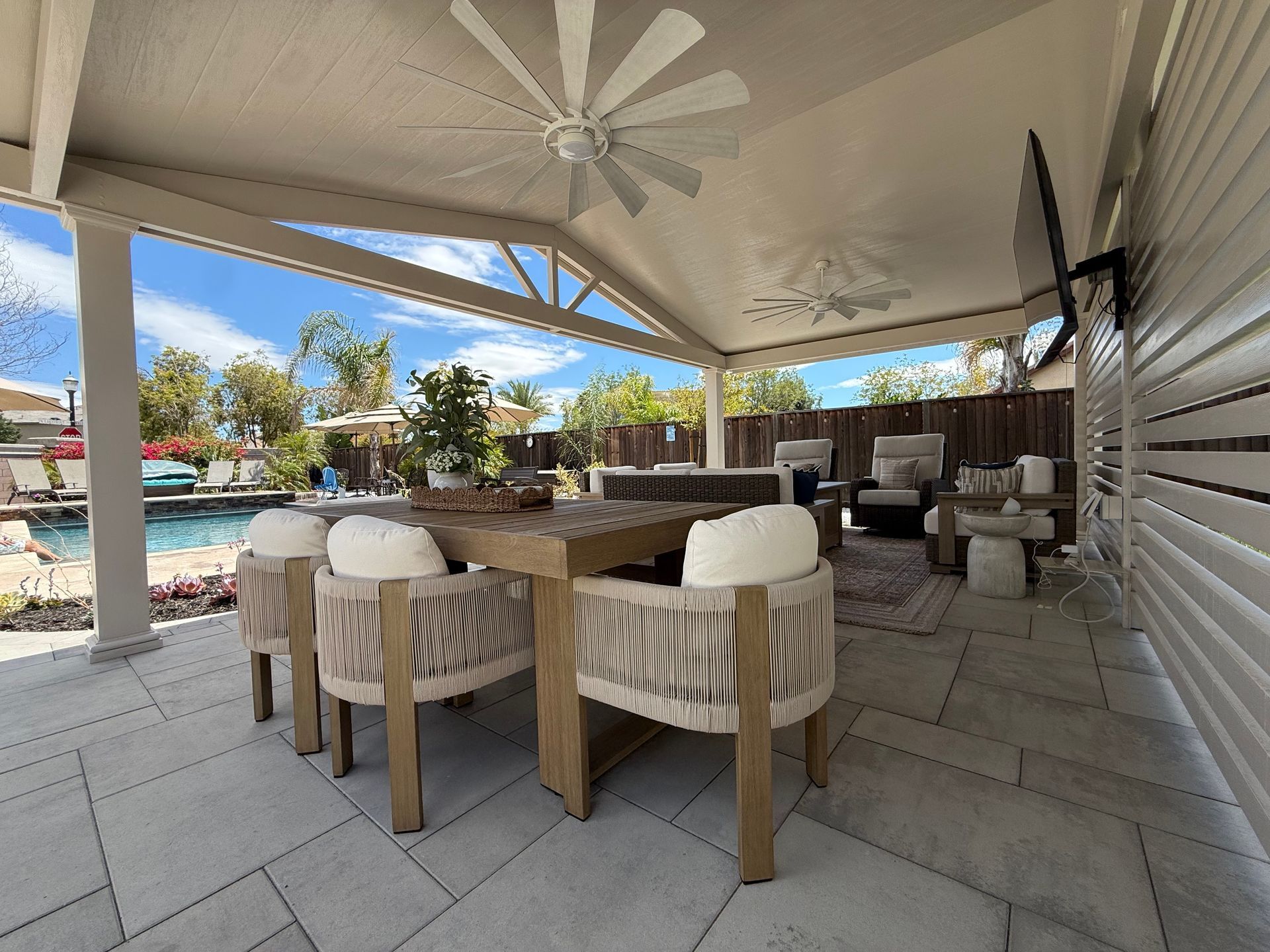
Choosing raw construction elements with high solar reflectance values allows homeowners to bounce blinding sunlight away from their main seating areas. Incorporating high-performance patio covers built from engineered polymers prevents deep thermal storage and lowers ambient air temperatures beneath the structure. These specialized exterior shields utilize advanced chemical compounds to reject solar energy rather than absorbing it. Selecting a light color scheme further optimizes this physical defense by scattering light away from your gathering spaces.
Managing Thermal Emission
Sourcing raw building materials with low thermal emissivity ratings stops absorbed heat from radiating downward onto your exterior flooring. Standard metal sheeting can act like a radiator on hot afternoons, whereas advanced composite options prevent that downward thermal transfer entirely. Installing premium insulated patio covers blocks this specific infrared energy transfer, maintaining a balanced climate on your deck. This localized atmospheric control keeps your seating area comfortable without relying on high-powered electric misting systems.
Optimizing Dappled Shading
Putting up dense physical barriers overhead shields your immediate landscape from direct midday exposure, dropping real-world surface temperatures by roughly twenty degrees. According to the National Association of Home Builders, around 61.8% of the approximately 1 million single-family homes that began construction in 2024 or later included patios, highlighting the rising trend in outdoor living spaces. Maximizing this protection depends entirely on the directional orientation, structural pitch, and total roof coverage of your backyard layout. Utilizing custom-engineered patio covers allows families to enjoy open-air dining sessions even during the peak of summer. These robust structures establish a safe, comfortable haven that shields your family from intense solar glare.
Securing Adjustable Louvers
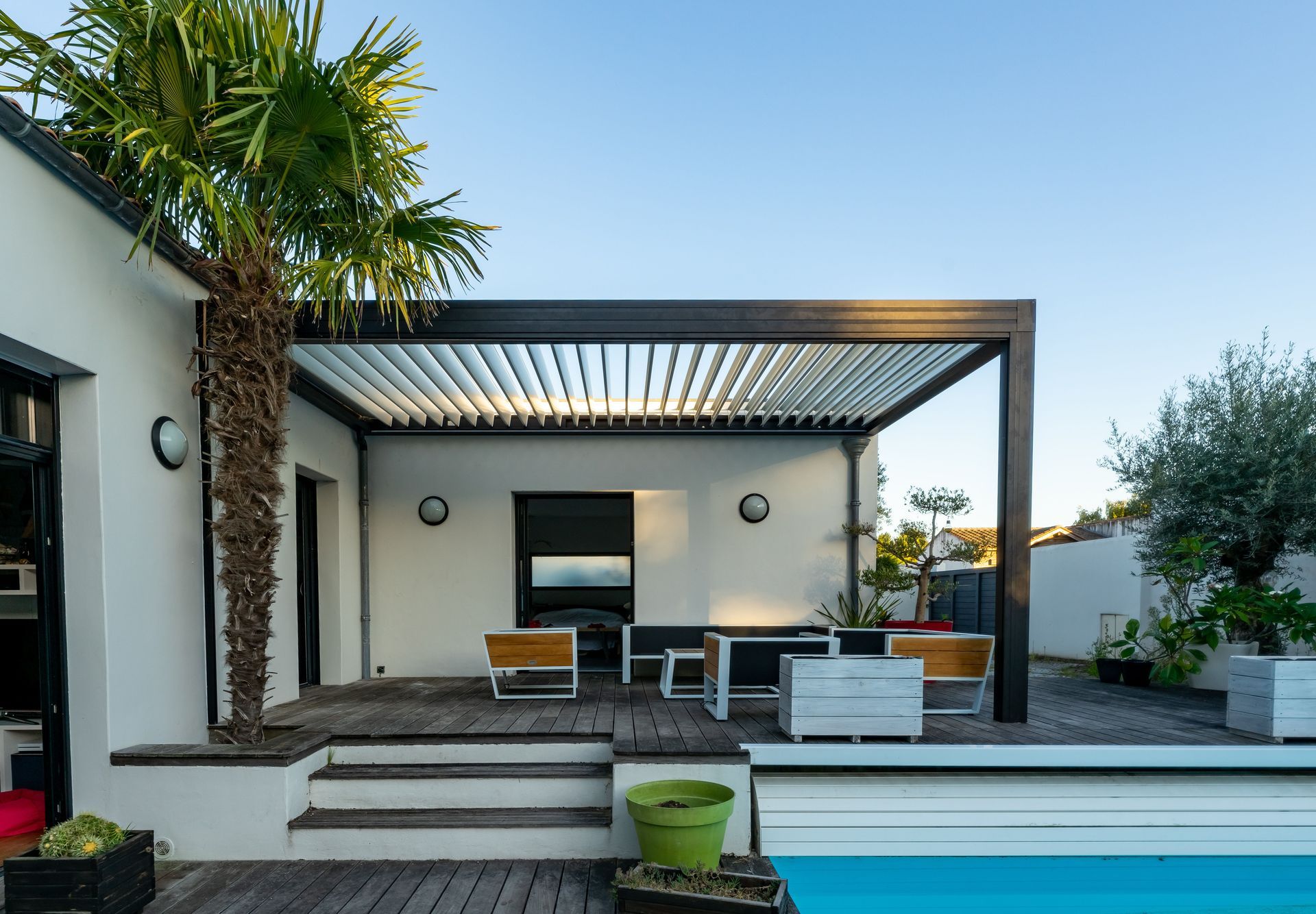
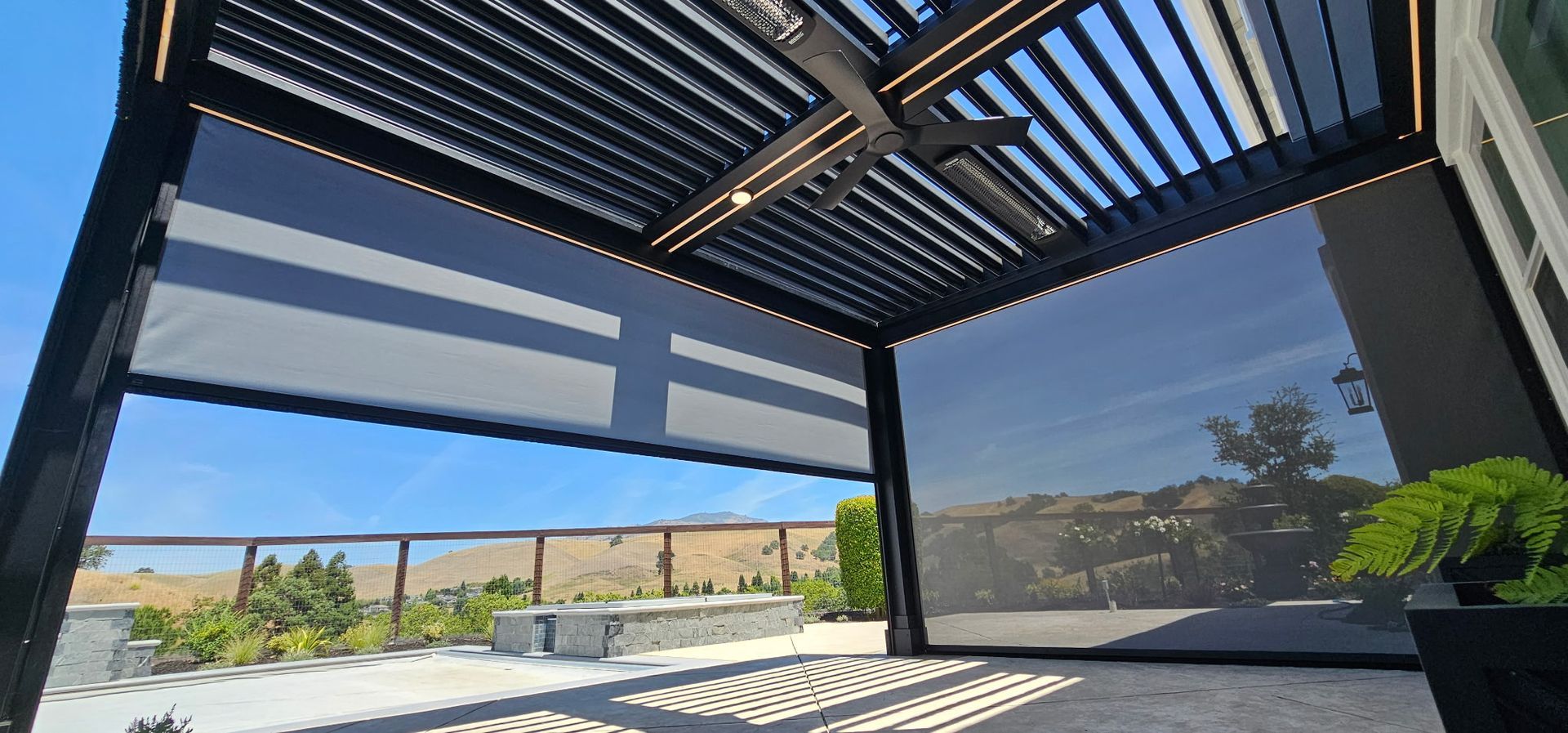
Integrating motorized overhead louvers provides dynamic climate control that adapts smoothly to changing weather patterns. Homeowners can rotate these internal slats via remote control to block incoming sun angles while maintaining full vertical ventilation. Utilizing these flexible, track-driven patio covers eliminates the static limitations of traditional wood gazebos or fabric awnings. This mechanical agility allows you to easily customize your shading levels as the sun moves across the sky.
Defending Human Health
Blocking dangerous ultraviolet radiation protects your immediate family and premium outdoor fabrics from accelerated solar degradation. Prolonged exposure to unfiltered sunlight damages human skin cells and causes expensive outdoor furniture cushions to fade and crack prematurely. Investing in high-quality patio covers serves as an essential health barrier that promotes safe, worry-free backyard relaxation. This multi-layered defense creates an outdoor environment where children can play safely throughout the day.
Encouraging Natural Ventilation
Prioritizing open, aerodynamic roof designs prevents hot air pockets from becoming stagnant and trapped over your deck. Forcing continuous air circulation through structural lattice openings naturally carries away rising thermal currents, creating a refreshing breeze. Erecting ventilated patio covers keeps air moving freely, which drastically reduces humidity levels in close-quarters backyard settings. This fluid aerodynamic movement ensures that your entertaining spaces never feel stifling or overheated.
Releasing Thermal Pockets
Installing specialized ridge vents or elevated roof tiers allows rising columns of hot air to escape seamlessly into the upper atmosphere. Combining these structural exhaust points with deep overhead shading elements yields the absolute maximum reduction in perceived outdoor temperatures. High-performance patio covers utilize these convection dynamics to naturally exhaust heat without requiring loud electric fans. This mechanical design approach maintains a clean, low-moisture microclimate across your entire pool deck or concrete slab.
Structuring Structural Frameworks
Engineering a durable foundation ensures the structural longevity of your overhead shading framework against intense shifting loads and soil settlement. Heavy overhead panels require deeply anchored concrete footings and steel-reinforced support posts to maintain perfect level tracking over decades of exposure. Professional design crews calculate down to the exact millimeter to verify that your new framework integrates safely with your existing house wall connection without overloading the load-bearing header boards. This foundational stability prevents the structure from sagging, racking, or separating from your main home envelope when subjected to localized ground shifts.
Resisting Severe Climates
Storm-proofing your backyard architecture requires incorporating specialized wind-load engineering and industrial corrosion defenses into your design plan. Coastal environments and regions prone to high-velocity severe storms demand heavy-duty internal structural brackets and non-corrosive fasteners that resist saltwater pitting or oxidation. Investing in high-wind-rated framing ensures your overhead shelter remains anchored during sudden high-velocity microbursts and heavy seasonal downpours. This protective material oversight safeguards your property from secondary impact damage and ensures your backyard sanctuary remains structurally uncompromised through unpredictable climate cycles.
Utilizing Organic Insulation
Selecting cedar, redwood, or premium pressure-treated timbers introduces natural thermal resistance to your backyard shading architecture. Wood features microscopic internal air pockets that slow down heat transfer, keeping the underside of the structure remarkably cool to the touch. These classic building choices combine rugged structural longevity with an organic aesthetic that complements any architectural style from rustic to contemporary. Applying specialized weather-resistant seals ensures these natural frames withstand seasonal rain and moisture.
Introducing Reflective Synthetics
Embracing modern vinyl, powder-coated aluminum, or recycled resin composites provides excellent climate control alongside zero maintenance requirements. These space-age compounds are specifically formulated with embedded titanium dioxide particles to bounce away intense solar radiation with absolute efficiency. Incorporating these resilient materials ensures your backyard shades resist warping, wood rot, cracking, and insect infestation over decades of continuous exposure. This material innovation delivers long-term durability while maintaining a clean, resort-style visual appeal.
Combining Physical Aesthetics
Balancing physical heat reflectivity with personal design choices allows you to curate an outdoor living room that mirrors your home's interior sophistication. Light, airy color palettes like crisp whites, muted grays, and soft creams physically lower temperatures while psychologically enhancing the feeling of spaciousness. Selecting the proper texture finishes blends practical engineering with artistic expression, creating a beautiful backyard focal point. This holistic approach ensures your home addition provides premium climate comfort while maximizing your property's curb appeal.
In conclusion, installing a professionally engineered outdoor shade system is a transformative property upgrade that directly enhances your household's daily comfort, physical wellness, and structural equity. From advanced louvered ventilation systems to highly reflective composite materials, targeted backyard shading defenses mitigate intense summer heat while extending your home’s liveable square footage. Partnering with certified specialists ensures your custom installation meets rigorous local wind-load engineering requirements and integrates beautifully with your existing architecture. To transform your sun-baked deck into a luxurious, resort-style sanctuary featuring premier heat-reflective engineering, schedule your on-site design consultation with Sunbusters Patio Covers Company, Inc.