May 20, 2026
Louvered roofing systems provide an effective way to combine functionality and aesthetics. They serve as versatile structures that offer flexibility in controlling airflow, shading, and light. As we navigate through various sections, readers will gain valuable insights into the practical applications and advantages of louvered roofs.
The evolution of roofing systems has been marked by technological advancements and growing environmental consciousness. As the industry continues to innovate, louvered roofing has emerged as a leading choice for both residential and commercial properties. This article will guide you through everything you need to know about this dynamic roofing option.
1. Understanding Louvered Roofing
1.1 Definition and Basic Concept
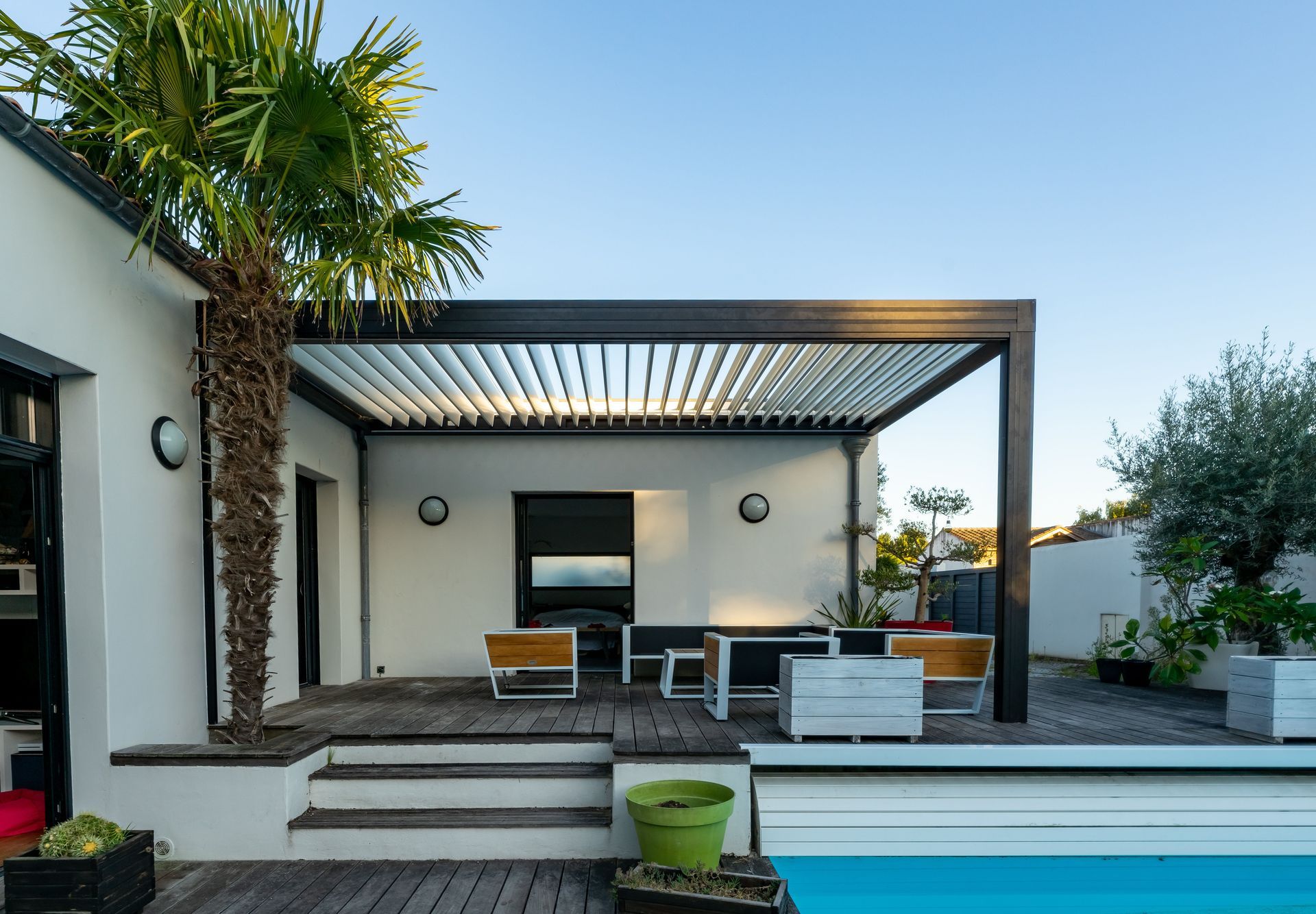
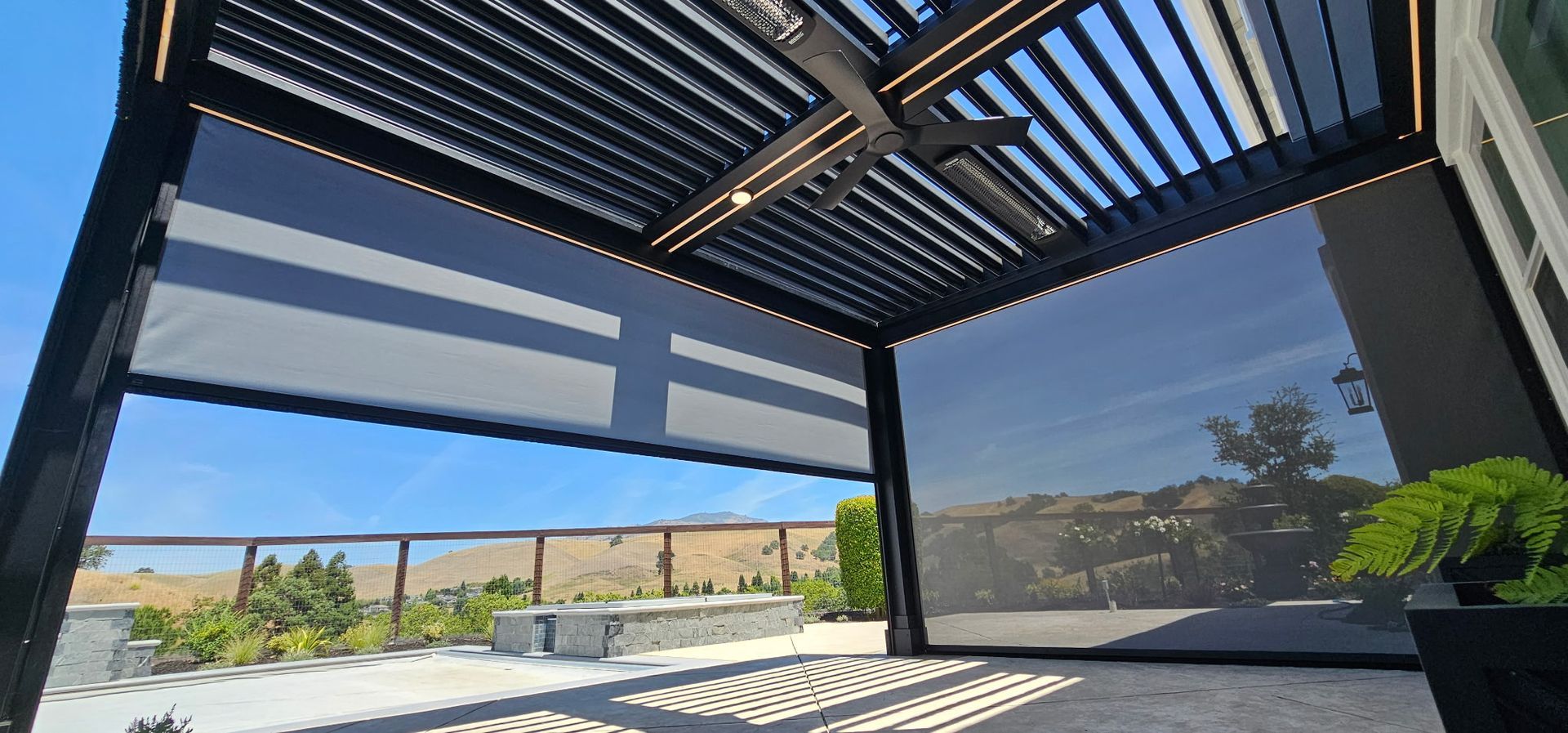
A louvered roof is designed with horizontal slats that can be adjusted to control the passage of air and light. This feature makes it a versatile solution for various architectural needs, allowing for optimal climate control and weather protection. The unique design makes louvered roofs suitable for both residential and commercial applications.
The basic concept of louvered roofing revolves around flexibility and adaptability. By adjusting the slats, users can respond to changing weather conditions while maintaining the aesthetic appeal of their property. Louvered roofs can improve energy efficiency by offering natural ventilation, reducing the need for artificial cooling and heating.
1.2 History and Evolution
The concept of louvered roofing dates back to ancient civilizations, where similar designs were used for ventilation and shading. Over the centuries, the design has evolved, incorporating modern materials and technology. Today, louvered roofing systems are a sophisticated option that blends traditional concepts with contemporary functionality.
Historically, louvered structures were predominantly used in warm climates to keep interiors cool. With advancing technology, these systems have developed into automated and motorized options, catering to diverse architectural needs. The evolution of louvered roofing reflects the broader trends in the construction industry towards sustainable and efficient solutions.
1.3 Key Components and Materials
Louvered roofing systems are typically constructed using durable materials like aluminum, steel, or wood. These materials provide strength and resilience, ensuring the longevity of the structure. The choice of materials can influence the aesthetic and functionality of the roof, allowing customization based on specific project needs.
High-quality louvered roofs often include weatherproof seals to prevent leaks and enhance durability. Additional features such as remote controls and sensors can further enhance user convenience. The diversity in materials and components allows architects and homeowners to select a louvered roofing system that complements their design vision and functional requirements.
2. Advantages of Louvered Roofing
2.1 Ventilation and Climate Control
Louvered roofs offer superior ventilation and climate control compared to traditional roofing systems. By adjusting the slats, users can optimize airflow and maintain comfortable temperatures. This dynamic capability is particularly beneficial in regions with fluctuating weather conditions.
Enhanced ventilation reduces the need for mechanical cooling, resulting in energy savings. Natural airflow can significantly decrease indoor temperatures during warmer months, leading to decreased energy consumption and lower utility bills. Consequently, louvered roofing contributes to sustainable building practices and energy efficiency.
The customization of light and shade extends the usability of outdoor spaces throughout the year. Whether it's a hot summer day or a chilly evening, louvered roofs allow property owners to create a comfortable environment. This flexibility in climate control makes louvered roofing a valuable investment for any property.
2.2 Energy Efficiency and Cost Savings
One of the outstanding advantages of louvered roofing is improved energy efficiency. By minimizing reliance on artificial heating and cooling systems, property owners can experience significant cost savings. Louvered roofs facilitate natural climate control, reducing the need for energy-intensive HVAC systems.
According to Grand View Research, The North America awnings market size is projected to grow at a CAGR of 3.4% from 2024 to 2030. This indicates increasing awareness and demand for energy-efficient architectural features. Homeowners and businesses are recognizing the financial and environmental benefits of integrating adaptive roofing systems.
2.3 Versatility and Design Flexibility
The versatility of louvered roofing lies in its ability to adapt to various styles and architectural needs. These systems can be customized to fit unique design requirements, offering a range of colors and finishes. Whether for modern minimalism or traditional aesthetics, louvered roofing provides ample design flexibility.
Architects and designers appreciate louvered roofing for its capacity to blend aesthetic elegance with practical benefits. This flexibility in design allows properties to stand out while offering tangible functional advantages. As an architectural element, louvered roofing is an asset that can elevate the overall appeal and usability of a space.
3. Types of Louvered Roof Systems
3.1 Manual vs. Motorized Systems
Manual louvered roof systems are operated through a hand crank or lever, allowing users to adjust the slats manually. This type offers simplicity and is often cost-effective, making it accessible for a wide range of budgets. Manual systems are ideal for smaller applications that don't require frequent adjustments.
Motorized louvered roofs, on the other hand, provide convenience through automated adjustment mechanisms. Users can operate the system with remote controls or mobile apps, offering ease of use for larger installations or commercial settings. Motorized systems are especially beneficial for properties that prioritize seamless operation and user comfort.
3.2 Fixed Louvered Roofing
Fixed louvered roofs are a type of static system where the slats are set at a permanent angle. This configuration provides constant shading and ventilation without the need for adjustments. Fixed systems are suitable for applications where constant light and airflow are preferred.
The simplicity of a fixed louvered roof means fewer mechanical components, reducing installation and maintenance costs. They are ideal for spaces that do not require variable shading, such as greenhouses or industrial settings. Fixed louvered systems are also a good option for those looking for a straightforward solution that still offers aesthetic and functional benefits.
Though limited in flexibility, fixed louvered roofs can provide a sleek and uniform appearance. Their lack of moving parts means less wear over time, enhancing durability. The fixed design can also integrate well with certain architectural styles, providing a unified appearance to outdoor and indoor environments.
3.3 Adjustable Louvered Roofing
Adjustable louvered roofs are designed with slats that can be tilted to various angles, offering dynamic control over sunlight and ventilation. This adjustability is key for spaces that require variable shading and weather protection. Homeowners and businesses benefit from the capacity to change the roof configuration based on daily weather conditions.
The flexibility of adjustable systems allows for year-round usability, maximizing the enjoyment of outdoor areas. Modern adjustable systems often come equipped with motorized mechanisms, providing effortless operation through remote controls. This advantage makes them popular in sectors like hospitality, where client comfort is paramount.
3.4 Remote-Controlled Systems
Remote-controlled louvered systems elevate convenience and efficiency, allowing users to adjust their roof settings with ease. These systems integrate technology into traditional roofing, enabling even greater control over environmental conditions. Remote-control options range from simple handheld devices to smartphone apps that bring roof control to your fingertips.
Louvered roofing systems offer a smart blend of style, comfort, and efficiency for modern living. Their adjustable design enhances outdoor usability while improving ventilation, lighting control, and energy performance. Whether manual or motorized, these systems provide flexibility, durability, and visual appeal. By investing in louvered roofing, homeowners and businesses can create adaptable, comfortable spaces while adding long-term value and functionality to their properties. Contact Sunbusters Patio Covers Company for more information.